Railways are the cornerstone of many countries and play a key role in competitive ability, transporting goods to seaports and other distribution centers. The resilience of many countries depends on a multimodal transport system that effectively connects businesses to consumers, suppliers, markets and the global economy.
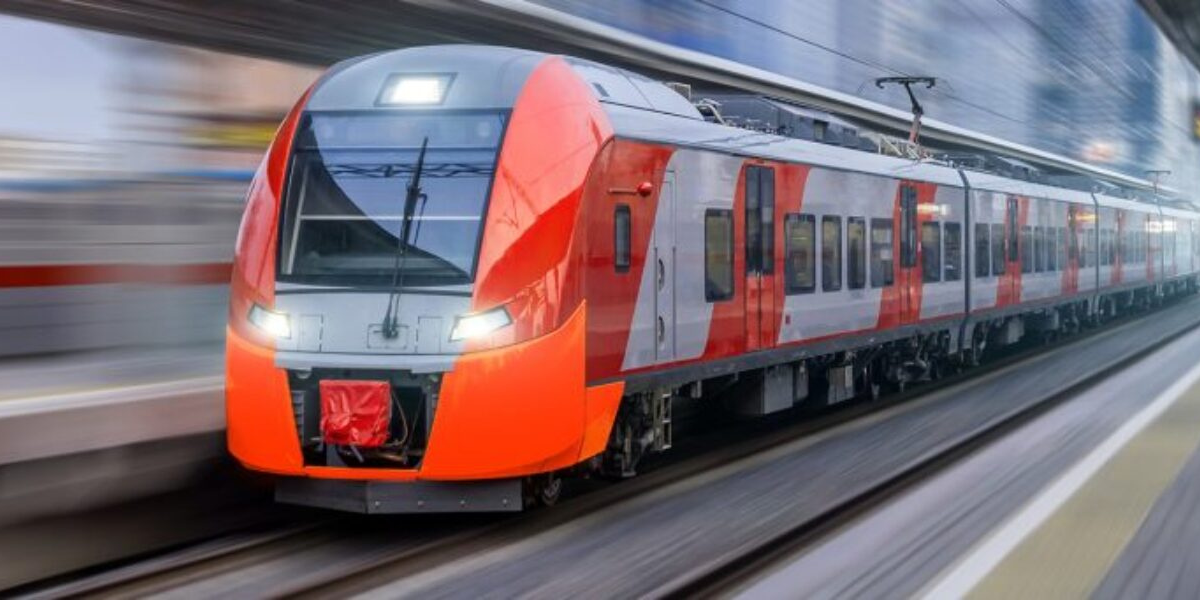
The rail market consists of three main segments: Rolling Stock, Systems Technology and Infrastructure. Within these three segments, LAPP focuses on the Rolling Stock segment and part of Systems Technology focuses on trains.
When dealing with passenger and freight transport, the main characteristics of the Rolling Stock business are high fire safety requirements to protect people and property.
All products used on trains in Europe must comply with the EN 45545-2 standard. In other regions of the world, other standards are required, such as GOST, NFPA 130 or CCC.
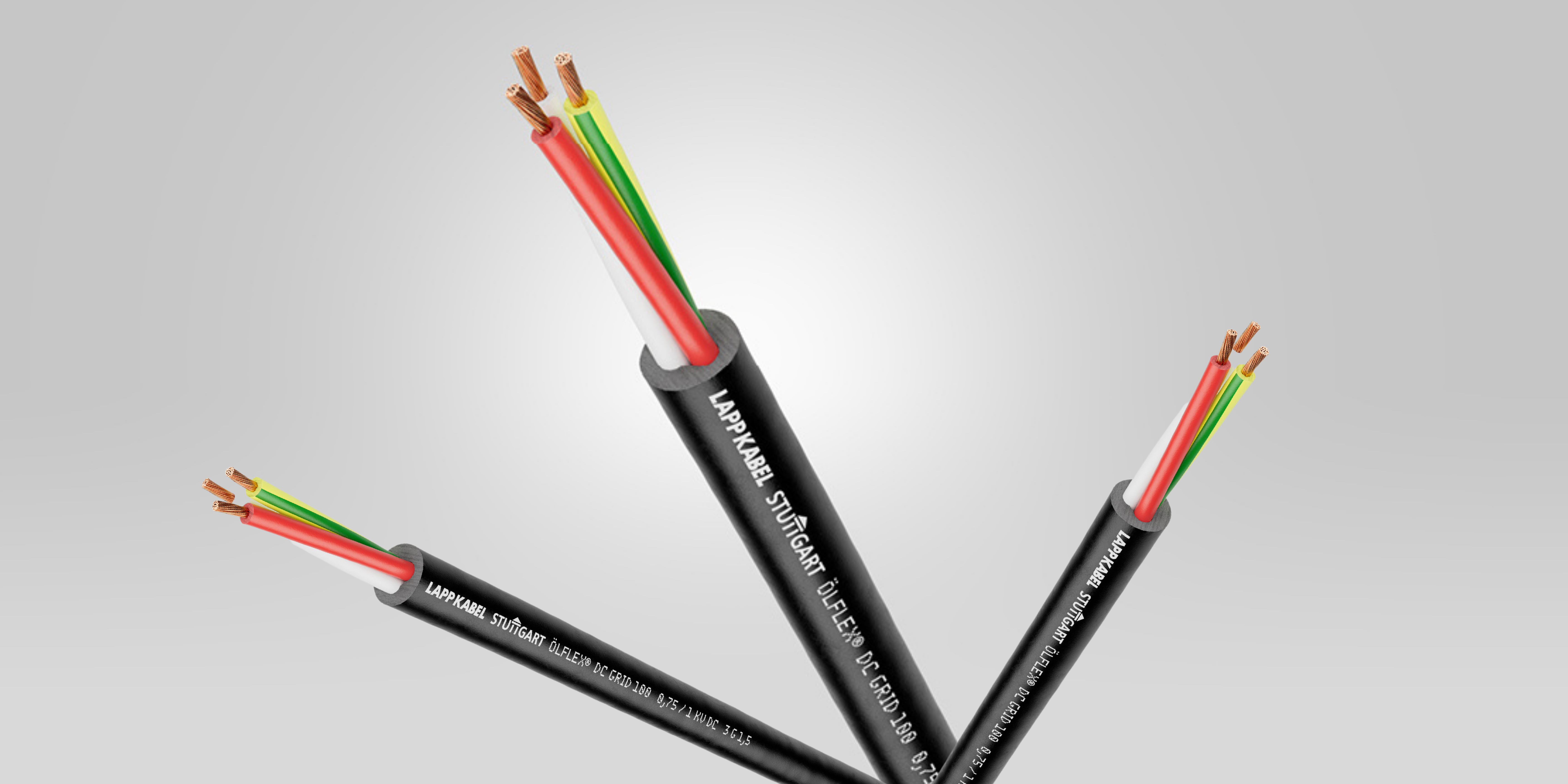
In order to standardize cables for rolling stock applications, cable standards have been developed, according to which LAPP also manufactures its TRAIN product line. LAPP has developed entirely new products in the area of cables and wires, and has also qualified and tested existing products in the segments of cable glands, cable protection, cable marking and accessories. To meet the requirements of these standards, TRAIN cables are cross-linked and meet the highest requirements for oil and chemical, mechanical and UV resistance, making them ideal for use in the harsh environments of other industries as well.
Industrial Communication is the main link between the different sectors within an industry, it is through it that the main information about the production process is exchanged. Industrial Communication has several segments, and is applied from the automotive industry, to the production of food and beverages, to the generation of renewable energy. Regardless of the size of your company or your area of expertise, it is important to consider adopting new information technologies to improve the industrial communication network. That said, with our extensive connection solutions, you will always find the most suitable products for your needs. As varied as the industrial segments and applications may be, they all have one thing in common: the demand for connection solutions is constantly increasing.
The amount of data has been increasing and the speed factor has become, at the same time, increasingly important. In this way, cables, connectors and switches need to transfer large amounts of data quickly and, most importantly, reliably and securely. In some areas, a small interruption can have big and serious consequences, and in others, production lines can only run efficiently if all components work in perfect harmony.
Generating these technological advances for industrial communication networks may seem like a very big step, considering that until very recently, analog networks were still widely used. However, it is important to remember that all these innovations generate benefits in the short and long term, making the production process much more agile and with higher quality.
Each field of application has specific requirements, from limited space to security concerns. Explore the segments in which our Industrial Communication products are used, and find the perfect connection solutions for your needs.
Matthias Lapp becomes Chairman of the Executive Board
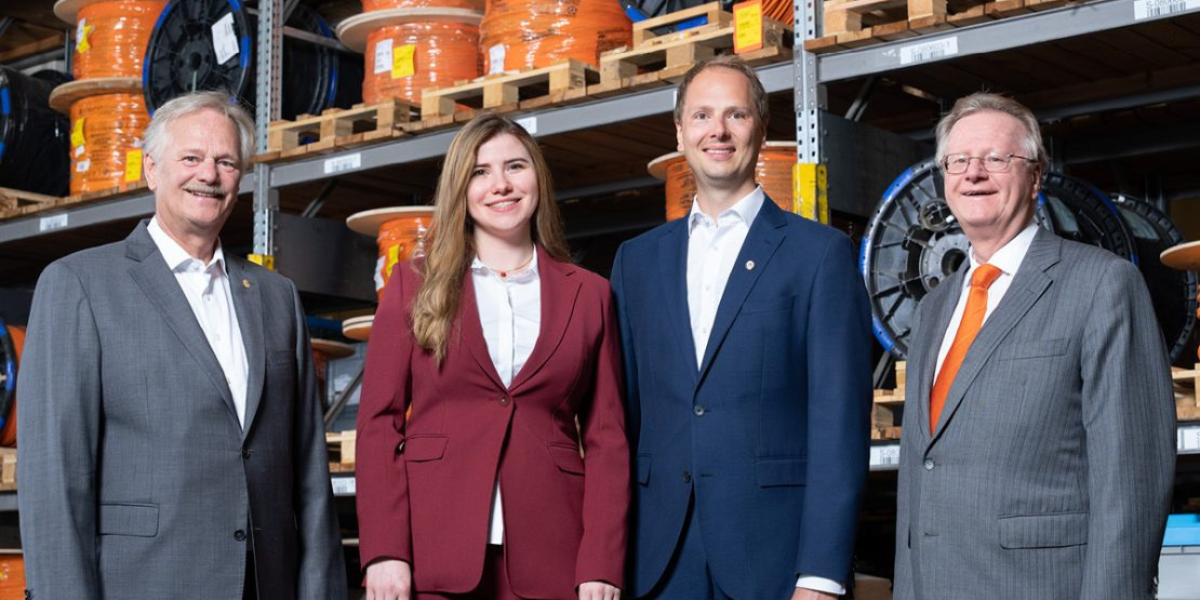
The third generation will manage the Stuttgart-based family company LAPP from October 1, 2022. Matthias Lapp (39), grandson of company founder Ursula Ida Lapp, will take over as CEO of Lapp Holding AG. His uncle Andreas Lapp (66), Chairman of the Executive Board, and his father, Siegbert E. Lapp (70), Chairman of the Supervisory Board, will retire from the operational business of the LAPP Group on September 30, 2022.
“I am very much looking forward to leading LAPP into the future together with all employees. We have a strong strategy and are excellently positioned to provide our customers with answers to the major issues of our time, e. g. in the areas of digitalization and sustainability”, emphasizes Matthias Lapp.
The generational change at the global market leader for integrated solutions in the field of cable and connectivity technology was already initiated in 2017, when Matthias Lapp became CEO of the largest region LA EMEA, which also includes the important German business.
Now the next big step will take place: Andreas Lapp will hand over the chairmanship of the Executive Board to his nephew Matthias Lapp at the beginning of the 2022/23 fiscal year on October 1, 2022. The latter will take on the task in a dual capacity to his responsibility as CEO LA EMEA. At the same time, Siegbert E.
Lapp will hand over his function as Chairman of the Supervisory Board to his former deputy Dr. Hans Schumacher (67), who has already been part of the board since 2015. At the same time, Katharina Lapp (24), Andreas Lapp’s daughter, will be appointed to the Supervisory Board. This means that one family member will continue to be part of each the Management Board and the Supervisory Board: LAPP remains a family business.
Matthias and Andreas Lapp
On October 1, 2022, Matthias Lapp will take over as CEO of the LAPP Group from his uncle Andreas
Retirement after 42 and 35 years in management responsibility
When their father Oskar Lapp, founder of LAPP, died unexpectedly in 1987, the brothers Siegbert E. and Andreas Lapp took over responsibility and from then on ran the company with their mother Ursula Ida Lapp. Over the past 35 years, they have together built LAPP into a global player and world market leader in connection technology.
“My brother Andreas and I look back on a fulfilling and successful, but also very intensive professional live. Now we are looking forward to cutting back a little from October, dedicating ourselves to our heart’s projects and following LAPP’s success story from the first row”, says Chairman of the Supervisory Board Siegbert E. Lapp.
Both will remain closely connected to the company as owners and will continue to support their children as mentors. “The business and working worlds are changing and we trust the young minds to lead LAPP through this change. We are positioning ourselves for the future while staying true to our roots, our values, and our identity as a family business.
We have full confidence that the third generation, the management, and all employees operating worldwide will lead LAPP into a successful future”, adds Andreas Lapp.
Matthias and Katharina Lapp
Matthias and Katharina Lapp are looking forward to continuing the history of their family business together
Matthias and Katharina Lapp: Decision for the company
As the eldest grandson of company founder Ursula Ida Lapp (1930 – 2021), Matthias Lapp joined the LAPP Group in 2010 after studying international business administration and holding positions in various companies. Since 2017, as Managing Director of U.I. Lapp GmbH, he has been responsible for the regions of Latin America, Europe, the Middle East and Africa (LA EMEA) and thus the most important sales market of the LAPP Group. In this role, he has very successfully continued to drive the internationalisation of the LAPP Group and has placed a strong focus on the topics of corporate culture and international cooperation.
Just like her cousin Matthias, Katharina Lapp grew up in and with the company: From her early childhood, she attended parties and events, and later gained her first professional experience during vacation work and internships in various areas at LAPP. Later, she was project manager for the construction of the Collège Andreas Lapp, a school in the Ivory Coast co-financed by Andreas Lapp and completed in 2019.
After graduating from school, she studied mechatronics and learned the basics of mechatronics, information technology and electrical engineering. This was followed by studies in International Management, in which she placed a special focus on the continent of Africa – one of the LAPP Group’s major strategic markets of the future.
Katharina Lapp and Siegbert E. Lapp
With Katharina Lapp, a family member will continue to be represented on the Supervisory Board
At Policabos it is frequently the handling of products with high weight, since all its products are sold in large quantities and, as they are made of metals and plastics, they become quite heavy. Thus, when these products have to be moved manually, it is an extremely delicate process.
The effort exerted in excess diminishes the capacity to work, increasing discomfort, uneasiness, pain, and causing an increased risk of injuries.
One of the most recurrent injuries are herniated discs, which are the result of a weakening of the intervertebral disc, which shifts from its original position.
This injury can affect the cervical and lumbar region, and in the second case, it can take these discomforts to the legs and feet area. The main cause of herniated discs in younger people is inadequate posture on a daily basis, as well as the habit of carrying excessive weight. These factors lead to an overload of discs, which are overstrained and get injured. But it can also occur as a result of trauma.
According to data from the European Agency for Safety and Health at Work (EU-OSHA), 23.8% of all back injuries (in the EU) that occur at work are related to the manual handling of loads.
In Portugal, Decree-Law No. 330/93 of September 25 defines a load that is too heavy to be moved manually, all that is above 30 kg in occasional operations and above 20 kg in frequent operations.
To mitigate this problem, Policabos does not allowcable lengths exceeding 30 kg to be sent in a roll.
Until now, there were only two options for maintaining machine and plant parts: either parts were replaced if they were already defective, or parts that still worked were replaced at specific intervals as a precaution.
However, thanks to Industry 4.0 and digitalization, there is a more efficient alternative to reactive maintenance: preventive maintenance. The idea behind this is to carry out maintenance measures depending on actual performance. Which is also possible for connection systems, such as cables or connectors.
Although LAPP cables last for many years, in situations with highly dynamic movements at high speeds and strong torsion, it is advantageous and more cost-effective to monitor cables to avoid unexpected stops that impair productivity.
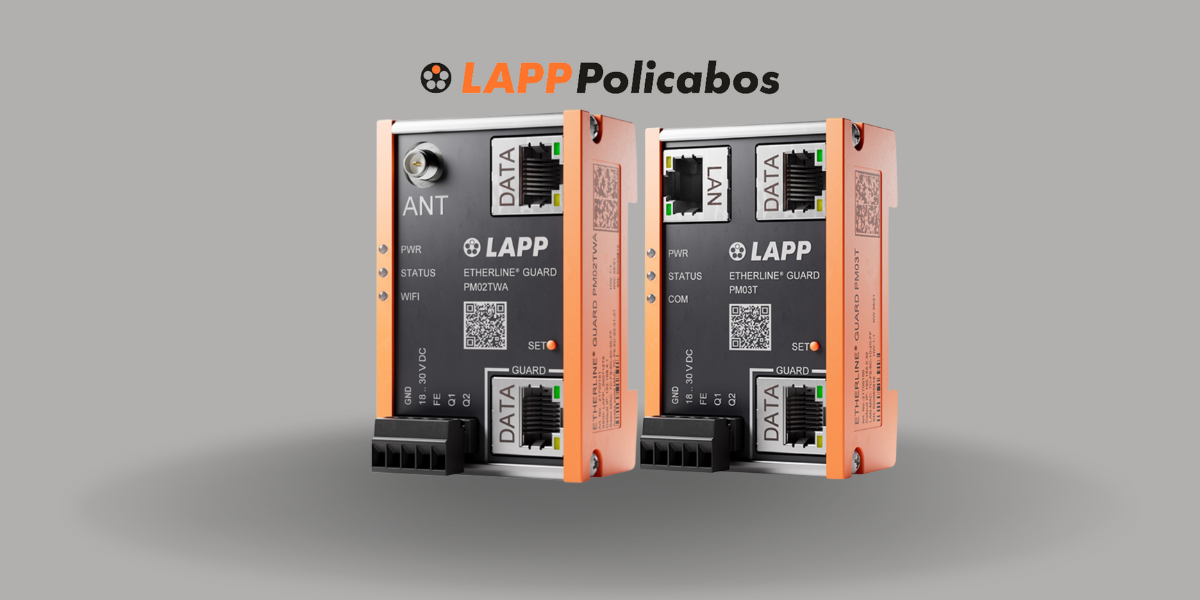
ETHERLINE® GUARD is the latest innovative solution from LAPP
This compact device monitors the performance of ethernet cables and, when there is a risk of failure, displays what the fault is.
An excellent way to enjoy the benefits of preventive maintenance!
Advantages of ETHERLINE® GUARD
Increase system visibility and capability to plan downtimes for reduced maintenance costs.
Plug and play solution for both new and existing networks that does not require a new data line or changes to the cable designs.
Reliable IIoT communications thanks to the MQTT interface (for status/data evaluation, settings, WLAN configuration, updating, etc.).
Compact design ideal for use in control cabinet.
Application
Suitable for 2-pair EtherCAT, EtherNET/IP and PROFINET applications;
Suitable for use in Ethernet-based networks for automation technology;
Suitable for monitoring the service life of a data cable at risk of failure (e.g. critical function data cable in dynamic applications);
Suitable for data cables according to transmission standard 100BASE-TX (with 100 Mbit/s) according to IEEE 802.3;
Suitable for use in control cabinets (protection class IP 20).
The perfect solution for single-core storage, transport, and processing.
It can quickly happen that individual boxes or boxed coils are not arranged at their respective workplaces. As a result, these elements can get in the way, and there may even be a risk of tripping over them. In this case, the safety of the spaces is not fully guaranteed.
With modules, single cores are protected. You can hang the modules on the bar of the single-core cart or place them on the office cart. Many customers also place these modules in the control cabinet. Their use gives a visually pleasing appearance and a tidy workbench.
The systems make for easy handling and storage. With LAPP solutions, single cores are in modules. These can be easily removed and replenished with exact quantities.
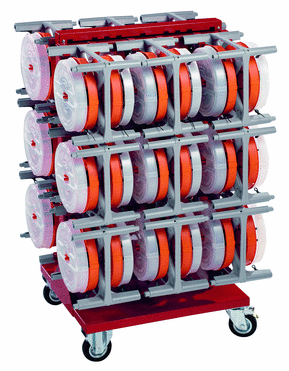
With the help of the single core cart, several single cores can be transported at the same time.
Simple winding and unwinding of single wires
If you want to pull a single core out of the cardboard box, a spiral is inevitably created. If you are not careful, one or several twists will occur, which must be reversed or cut out.
Suspension on the single-core cart or TRONIC module facilitates the winding and unwinding of single cores. The single core sits neatly in the cable duct, which also protects the product from damage.
LAPP Single Core Solutions
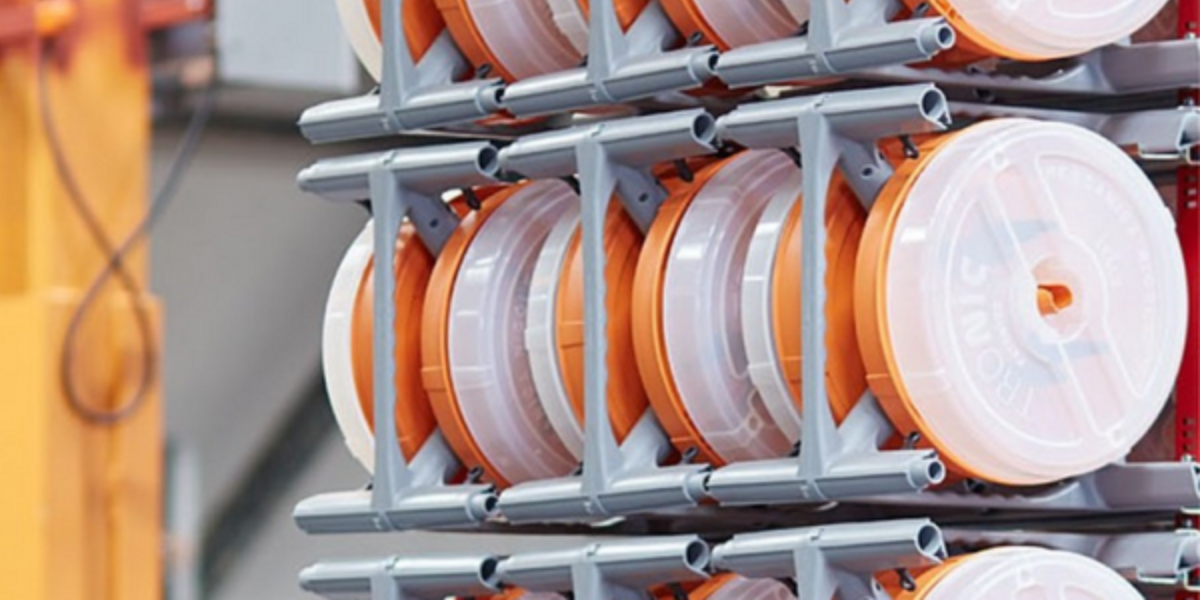
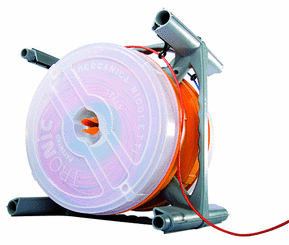
The TRONIC Module consists of two TRONIC Single Core boxes connected via a rack. The frame design of the TRONIC modules allows them to be stacked with other TRONIC modules. In addition, it supports the single-core cutting process.
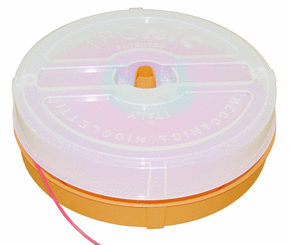
The TRONIC Box is the perfect solution for storing, transporting and handling Single Core. These boxes are usually used in combination with a compatible Single Core cart.
Item number: 85001632
Capacity: 1 single core
Compatible Single Core Trolleys: TRONIC 12 Single Core Trolley
Item number: 85001624
Capacity: 12 single cores
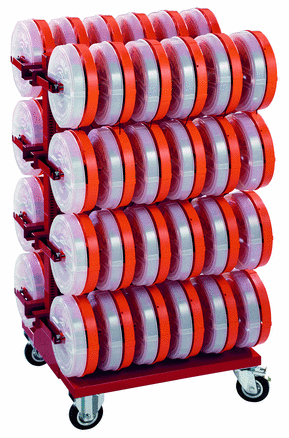
48 TRONIC single-core trolley: The TRONIC module consists of two TRONIC single-core boxes connected via a rack. The rack design of the TRONIC modules allows them to be stacked together. They are also compatible with 6×2 and 18×2 trolley solutions.
Item number: 85001629
Capacity: 48 single cores
Item Number: 85001625
Capacity: 2 single cores
Compatible single core carts:
Single core cart TRONIC Module 6 x 2
Item number: 85001621
Capacity: 12 single cores
Single core cart TRONIC module 18 x 2
Item number: 85001622
Capacity: 36 single cores
To help you get the most out of our single core system, talk to us!
Currently, multimode fibre optic cables of various types are available on the market: OM1, OM2, OM3 and OM4 – cables that are in stock (FOOM). In 2016, the TIA (Telecommunications Industry Association) released a new standard TIA-492AAE fibre optic cable called OM5.
Cables and strands with OM5 fibre are still rare from a commercial point of view, however, it is expected that by the end of the year it will be possible to supply the market.
What characterizes OM5 Fiber?
Basically, it is an OM4 fibre with slight manufacturing changes that allows it to have a better response at wavelengths 850-950nm. This makes it especially useful in applications for 40Gbps, 100Gbps or 400Gbps when using SWDM (Short Wave Division Multiplexing) systems.
Figure 1 – SWDM System
What is the SWDM System?
The SWDM (Short Wave Division Multiplexing) system uses 4 different wavelengths (called lambda λ1, λ2, λ3, λ4) that are multiplexed onto a physical medium (the optical fibre) and will then be extracted from that medium (from multiplexed). The binary throughput of information is 4x (the throughput in each lambda), if each lambda supports 25Gbps, you get a final result of 100Gbps.
What are the advantages of OM5 Fiber?
OM5 fibre allows you to increase the maximum communication speed or reduce the number of fibres by a factor of 4 when using SWDM systems. For example, if we want to achieve a speed of 100Gbit using OM3 or OM4 cable, 8 fibres are needed. If we use a cable with OM5 fibres, only 2 fibres are needed.
Is OM5 fibre the future of multimode fibre and will it replace OM3 and OM4 fibre?
In most applications OM5 will have no advantage, its use is only justified in data centres where SWDM systems are used. For a corporate or industrial customer that only wants to deploy fibre circuits up to 10Gbps, there will be no advantage in deploying an OM5 infrastructure.
In terms of cost, OM5 fibre is expected to be 2x the value of OM4 fibre. Below is the table with the maximum distances achieved considering the desired speeds:
Table 1 – Maximum distances achieved considering the desired speeds
Is the OM5 fibre compatible with OM3 and OM4 fibers?
Yes, the OM5 Fiber is fully compatible with any existing OM3 and OM4 fibers.
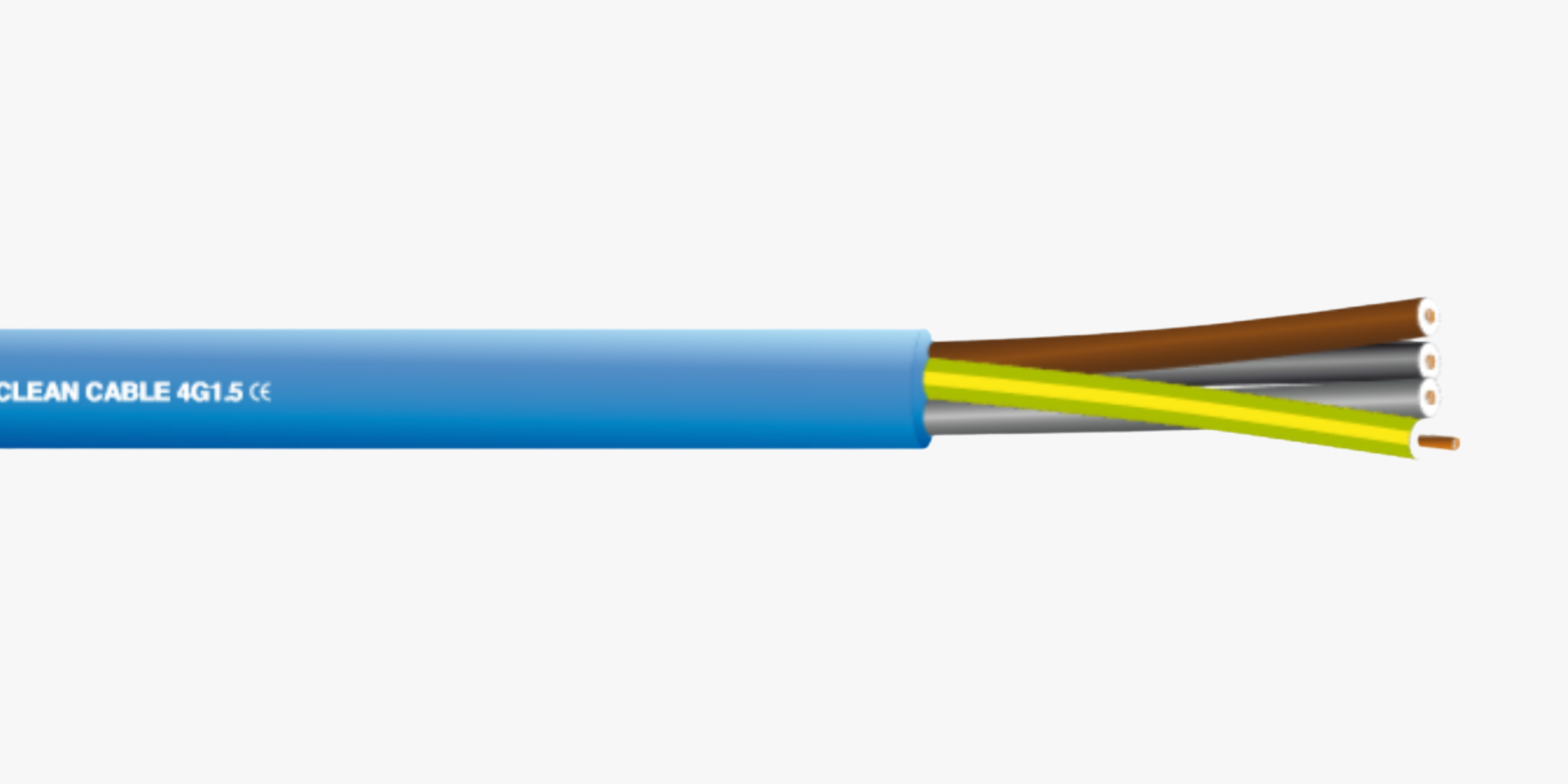
Did you know that you cannot use the standard black rubber cables – H07RN-F eg-for human drinking water?
Except for CLEAN CABLES, other cables provide an odour, taste or colour to drinking water that is harmful to your health.
The European Union (EU), through Directive 98/83/EC, of November 3, 1998, defines the essential quality standards to be met by water intended for human consumption.
The directive aims to protect people’s health by establishing hygiene and cleanliness requirements to be met by drinking water in the European Union (EU).
It applies to all water intended for human consumption, except natural mineral waters and medicinal waters.
Member States shall ensure that drinking water:
• Does not contain a concentration of microorganisms, parasites or other substances that
represent a potential danger to human health;
• Meet the minimum requirements (microbiological, chemical and related to radioactivity) established by the directive. To meet this need, CLEAN CABLES are designed and constructed in a way that does not allow microbiological growth and does not migrate hazardous substances into the water. These comply with the approval of various European entities, such as:
• WRAS (Water Supply, Water Fittings and Regulations or Scottish Byelaws) – main drinking water supplier in the UK (United Kingdom);
• ACS (Attestation De Conformité Sanitaire) – safety certificate required for all materials in contact with drinking water, in FRANCE.
• KTW (Kunststoffe und TrinkWasser) – use and safety recommendations for materials plastics used to transport drinking water, issued by the DVGW, the German agency for water and gas.
The use of these CLEAN CABLES is especially dedicated for submersible pump motor feeders. They can be installed at depths of up to 250 meters in both dirty water and dirty water.
To select a fiber optic cable, it will be necessary to know the following minimum data:
• What type of protection should the cable have or the application?
• What type of fiber optic?
• How many fibers should the cable have?
• Length?
It is essential to know that the supply value of a fiber optic cable depends on the way it is constructed and the type of protection present in the line.
Thus, it is essential to adapt the cable offer to the customer’s needs or application of the cable.
Then we point out a cable selector in comparison with the scenario in which it will be applied:
In the Next WeekTech info, we will cover the types of optical fiber that exist.